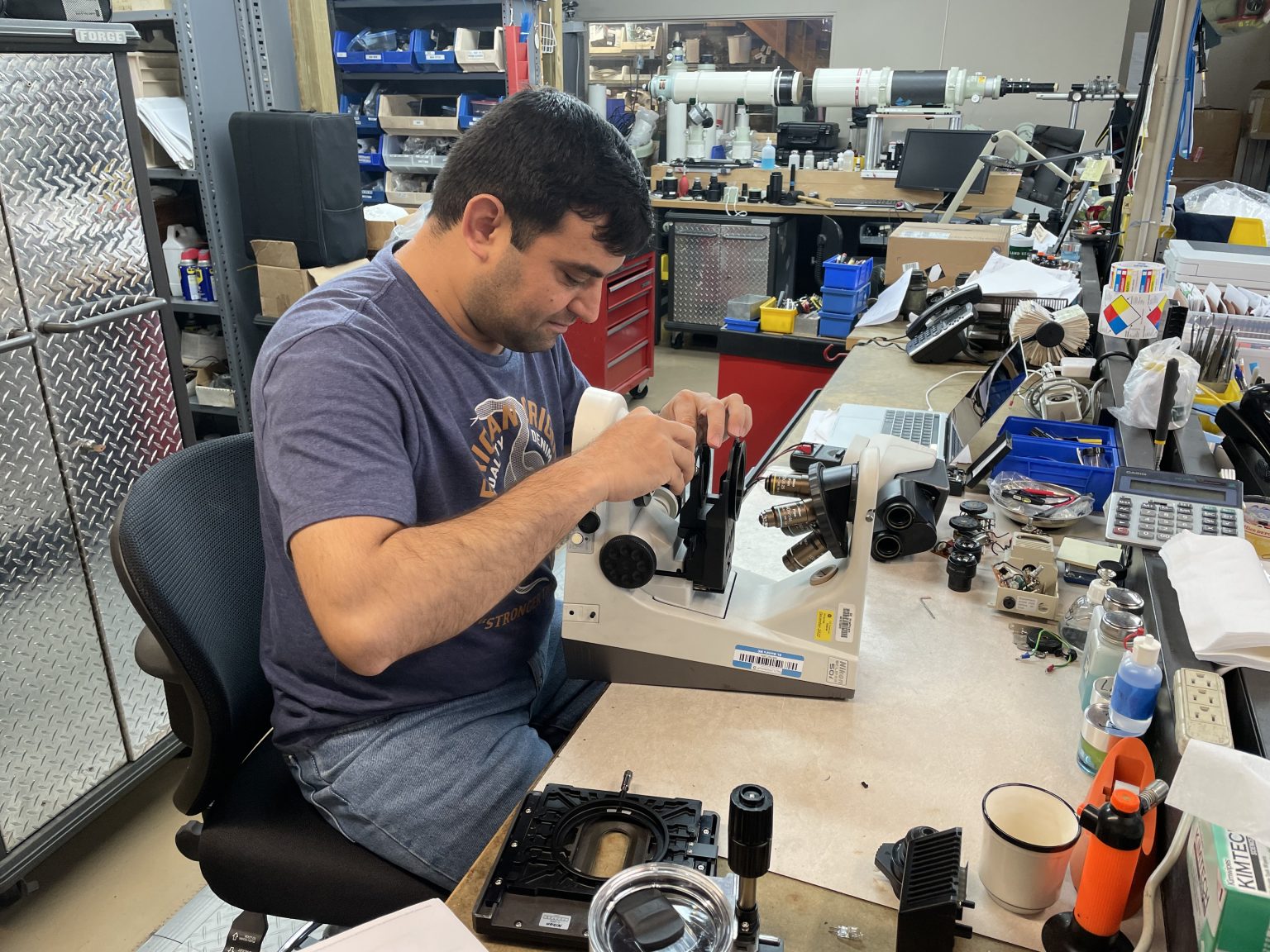
We are delighted to announce that we have become an official partner of Solta Medical – the world's leading provider of innovative medical and aesthetic technologies. As part of our collaboration, we offer you: Professional service for Solta Medical devices (including Thermage®, Clear + Brilliant®, Fraxel®, VASER®) Training and technical support for medical and cosmetic staff Consulting and technology audits for optimal use of the devices in practice Access to original spare parts and accessories The Solta Medical brand, part of the Bausch Health group, is a global quality standard in the field of non-invasive and minimally invasive anti-ageing therapies. At ZTM INNOVATIONS, we offer comprehensive support – from the implementation of the technology to its safe and effective use. If you are interested in working with us or require technical information, please do not hesitate to contact us.
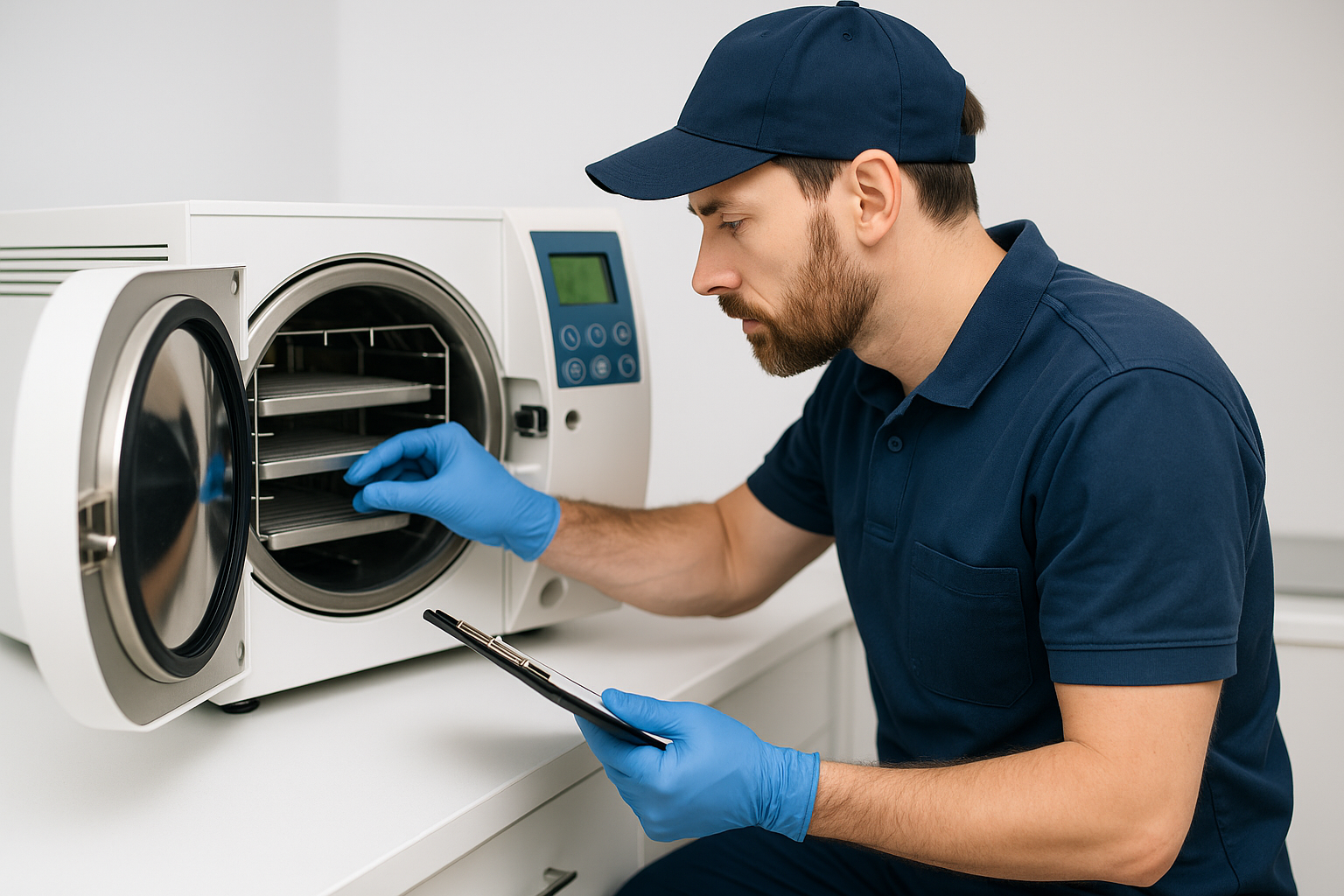
Autoclaves are an indispensable part of the equipment in dental practices, medical clinics, hospitals and laboratories. Regular inspections of autoclaves not only ensure the safety of patients and staff, but also compliance with applicable legal regulations and technical standards. Find out why it is worth servicing an autoclave regularly and what obligations the user has in this area.
What is an autoclave?
An autoclave is a device for sterilising medical instruments and materials using steam under high pressure and high temperature. The sterilisation process eliminates bacteria, viruses and other microorganisms, which is why reliable operation of the autoclave is essential for maintaining asepsis and protecting health.
How often should autoclaves be inspected?
✅ Regular inspections:
In accordance with applicable regulations (including the Regulation of the Minister of Health and standard PN-EN 13060), it is recommended that autoclaves undergo a technical inspection every 6 or 12 months, depending on the manufacturer's recommendations and the intensity of use.
✅ Daily checks by the user:
The user should check the technical condition of the basic elements on a daily basis: seals, filters, water level and cleanliness of the sterilisation chamber.
What does the technical inspection of an autoclave involve?
Professional maintenance of the autoclave should include the following:
Checking the functionality of the temperature and pressure sensors
Electrical safety tests (in accordance with the PN-EN 62353 standard)
Checking the functionality of valves, pumps and solenoid valves
Assessment of the condition of seals and wear parts
Calibration of sterilisation parameters
Performing vacuum tests and penetration tests (Bowie-Dick test)
Preparation of a maintenance log in accordance with documentation requirements
Why is it so important to check the autoclave regularly?
️ Patient safety
The sterilisation of medical instruments is an absolute prerequisite for infection prevention. Any failure of the autoclave can lead to inadequate sterilisation.
Compliance with regulations
In the event of an inspection by the health authority, the labour inspectorate or an ISO audit, the lack of a current inspection can result in an administrative penalty or even the decommissioning of the device.
Extending the service life of equipment
Regular maintenance also serves to prevent malfunctions and failures that could lead to interruptions in operation.
Who is authorised to inspect autoclaves?
The inspection of an autoclave should be carried out by an authorised service provider or a technician who has the appropriate authorisation and access to the manufacturer's documentation. It is worth choosing service providers who also offer validation of sterilisation cycles and a certificate of compliance with standards.
Summary
Regular inspections of autoclaves are a legal obligation, but above all an expression of responsibility for patient health and the quality of medical services. A well-maintained and functional autoclave is a guarantee of effective sterilisation and smooth operation of any practice or laboratory.
Are you looking for a proven autoclave service?
Trust the professionals. Choose P&P CITO, which offers comprehensive service, validation and availability of spare parts. Contact us today to schedule your next autoclave inspection!
Course on "Technical inspections of surgical diathermy" by ZTM INNOVATIONS, led by Paweł PlochWhy is such training necessary today?Diathermy is one of the most intensively used devices in the operating theatre. Maintenance errors lead to burns to the patient, equipment failure and interruption of procedures. Current regulations – from the European MDR to IEC 60601-2-2 (PN-EN 60601-2-2) to PN-EN 62353 – require regular safety and performance tests of the device. At the same time, clinical practice shows that regular inspections significantly reduce the number of incidents.Organiser and moderatorZTM INNOVATIONS is the Polish market leader in the field of service and qualified testing of medical devices and has its own machine park and mobile teams throughout the country. The training will be led by Paweł Ploch – co-founder of the company, director of technology and quality control with many years of experience in testing HF devices.What will participants receive?
A personal certificate of competence (Polish-English) – valid for 3 years
A 120-page e-script with a standard compliance matrix and ready-made protocols
Access to the ZTM e-LAB cloud with a database of instructional videos
15% discount on the calibration of test equipment in the ZTM laboratory
Course "Technical inspections of surgical diathermy" by ZTM INNOVATIONS, led by Paweł Ploch
Format:
2 days (8 hours of theory + 4 hours of laboratory work)
Date:
5–6 May 2025
Location:
ZTM INNOVATIONS Training Centre, Poznań
Price
3,900 PLN net (discounts: public hospitals, registrations of 3+ people)
Registration:
Email: szkolenia@ztmi.pl • Tel.: +48 508562448
Places:
Limited number of participants – registrations will be accepted on a first-come, first-served basis.
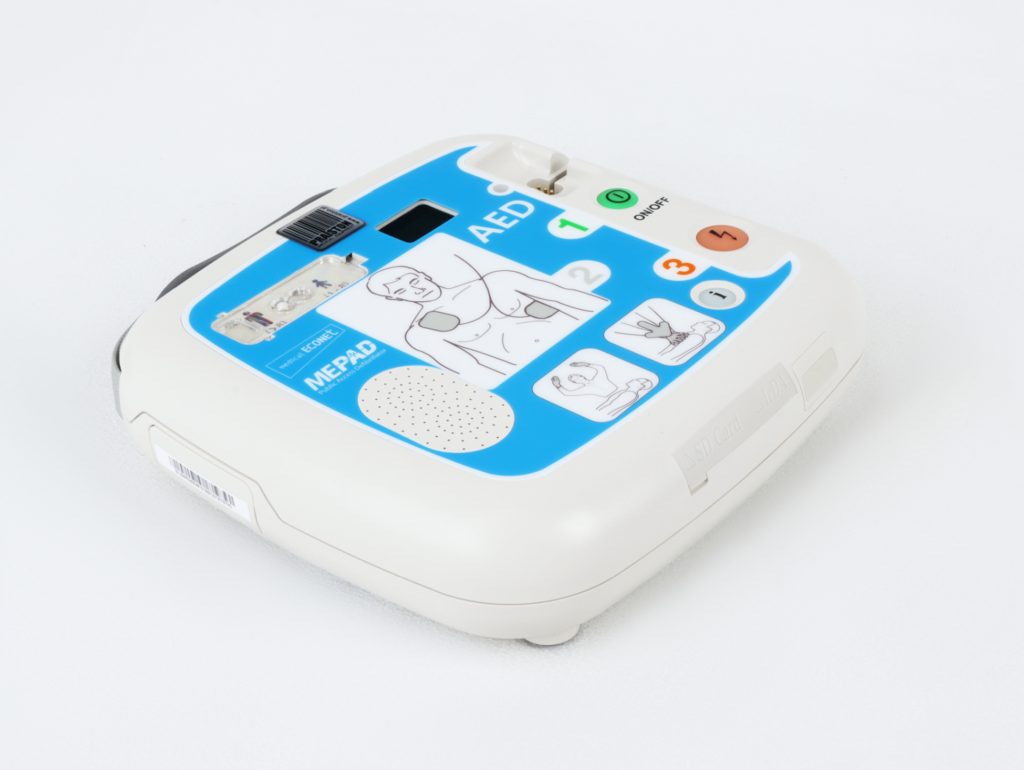
Why are technical inspections of AED defibrillators so important? Automatic external defibrillators (AEDs) are life-saving devices in the event of sudden cardiac arrest (SCA). Their main function is to detect cardiac arrhythmias and, if necessary, deliver an electrical shock that can restore normal heart function. However, for an AED to work effectively at a critical moment, it must be in perfect working order. Regular inspections and maintenance ensure that the device will work when it is most needed.
What does the technical inspection of an AED involve?
Checking the charge status
Battery: The charge status and expiry date of the battery are checked. Used or unusable batteries must be replaced with new ones that comply with the manufacturer's recommendations.
Emergency power supply: Some AED models are equipped with additional batteries. Their functionality should also be checked during the inspection.
Checking the condition of the electrodes (defibrillation electrodes/pads)
Expiration date: Electrodes have a specific shelf life. After this period, they may no longer conduct the electrical impulse properly.
Physical damage: Check that the electrode packaging is undamaged and that the conductive gel has not dried out.
Correct connection: Ensure that the cables and connectors are in good condition and can be connected to the AED without any problems.
Functional tests of the AED
Self-test: Most modern AEDs perform self-tests, including checking the charging system and capacitor. It is advisable to check that the device reports the result of such a test correctly (usually by means of an LED or an audible signal).
Software and protocols: During the check, it is also recommended to check the version of the device's internal software (firmware) and, if the manufacturer has released updates, to perform an upgrade.
Visual inspection
Housing and display: Check for cracks, dents or other damage that could affect the tightness and function.
Cleanliness: The device should be free of dirt, dust or moisture that could impair the function of the mechanisms.
Additional components: If the AED is equipped with a ventilation mask, scissors or disposable gloves, ensure that their expiry date has not passed and that the accessories are in perfect condition.
Verification of compliance with documentation and recording of results
Manufacturer's instructions: The manufacturer specifies how often and how the check must be carried out. Detailed instructions can be found in the device's operating manual.
Documenting results: After completing the check, a log should be created or a check card filled out. This makes it easier to track the maintenance history of the respective device and documents compliance with procedures if necessary.
Frequency of inspections and responsibility
Regular checks: It is generally recommended that checks be carried out every 6 or 12 months, depending on the manufacturer's recommendations, the intensity of use and the storage conditions of the device.
Ongoing monitoring: The person responsible for the AED in the facility (e.g. hospital, government agency, school) should regularly (even daily or once a week) check the device's status indicators – whether the LED signals operational readiness and whether there are any error messages on the display.
After use: After each use of the AED in an emergency situation, a complete inspection of the device, replacement of the electrodes and, if the battery is depleted, refilling or replacement is required.
Why is this so important?
Safety of the rescuer and the injured person A device that is not fully functional can prolong the time it takes to deliver the rescue pulse or lead to an incorrect analysis of the heart rhythm, putting the life of the injured person at risk.
Reliability in critical situations Sudden cardiac arrest requires an immediate response. Any delay or device failure can determine whether the injured person's vital functions can be restored.
Legal responsibility In some countries and industries (e.g. airports, certain public institutions), there are regulations that require the possession of an operational AED. Neglecting inspections can have legal and financial consequences.
Image of thefacility Owning and maintaining a fully functional AED demonstrates responsibility and care for the safety of customers, patients or employees. A lack of regular maintenance can have a negative impact on the image of the facility.
Summary
Technical inspections of AEDs are an essential part of maintaining the device's operational readiness. They provide assurance that the device will function properly and save lives in the event of sudden cardiac arrest. Maintaining the batteries and electrodes and performing regular functional tests not only ensures the safety of the injured and rescue workers, but also guarantees a high standard of service or rescue measures. Remember: even the best and most modern defibrillator is useless if it is not regularly checked and properly maintained.
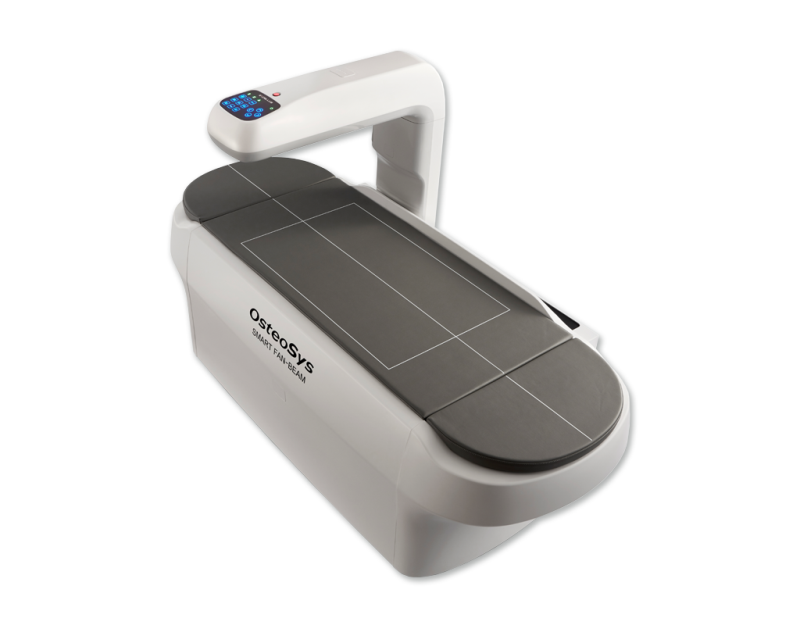
A densitometer is a modern diagnostic device used to measure bone density in order to assess bone mineralisation and fracture risk and diagnose osteoporosis. Due to the precision of the measurements and their importance for diagnosis, it is crucial to keep the densitometer in perfect condition. Regular maintenance is essential for reliable operation and the safety of patients and medical staff. Why are technical inspections of densitometers so important? Accuracy of measurement results: Densitometers use X-rays to measure bone density, and their accuracy can decline over time due to wear and tear on device components or calibration errors. Regular maintenance and calibration ensure that the device delivers reliable results, which is crucial for the diagnosis of osteoporosis and other diseases. Safety for patients and staff: Densitometers emit low-intensity X-rays, but like any device that uses radiation, they require regular safety checks. Technical inspections help monitor radiation levels to ensure they do not exceed permissible standards. Regulatory compliance: In many countries, technical inspections of densitometers are required by law and are set by national and international health institutions. Failure to comply with these standards can result in fines and the revocation of diagnostic testing licences. Key elements of the technical inspection of densitometers Calibration of the device: One of the most important elements of the inspection is the calibration of the densitometer. During this process, the device is set and adjusted to ensure that the measurements are accurate. Special calibration standards with a known mineral density are used for this purpose so that the measurement results can be compared and adjusted. Radiological system inspection: Each densitometer is equipped with a system that emits X-rays. The technical inspection includes checking the condition, proper operation and measurement of the radiation level. This allows us to determine whether there are any radiation leaks and whether the device is operating within safe standards. Checking the software and user interface: Densitometers are complex devices with sophisticated data analysis software. Technical inspections check that the operating system and analysis software are functioning properly and that all updates are installed. Evaluating the mechanical components: Moving parts of the densitometer, such as the patient table and the radiation arm, must be checked regularly for wear and tear. Mechanical defects can compromise patient safety and measurement accuracy. When should maintenance be performed? Technical inspection of the densitometer should be performed at regular intervals in accordance with the manufacturer's recommendations and local legislation. In practice, this usually means an annual inspection, although more frequent maintenance may be required depending on the intensity of use. Annual inspection: The most common standard technical inspection, which includes calibration, radiation control and checking the functioning of the mechanisms. Inspection after a malfunction: If a malfunction of the densitometer is detected, technical service should be performed immediately to minimise the risk of damage to the device or incorrect diagnoses. Consequences of neglecting technical customer service Failure to maintain the densitometer regularly can have serious consequences: Incorrect diagnoses: A densitometer that is not functioning properly can produce incorrect results, leading to incorrect diagnoses and inappropriate treatment of patients. Health risks: If the densitometer emits excessive radiation, this can pose a health risk to patients and staff. Repair costs: If the device is not serviced regularly, more serious damage may occur, requiring costly repairs or even replacement of the device. Summary Regular maintenance of the densitometer is an essential part of maintaining diagnostic quality and ensuring the safety of patients and staff. Calibrations, radiation checks and inspection of the device's mechanisms can ensure its longevity and reliability. Neglecting these measures can have serious health and financial consequences, which is why adhering to a technical maintenance schedule is so important.
In response to the impact of recent flooding that affected many regions, ZTM Innovations has taken the initiative to support hospitals and medical facilities by offering free diagnostics for medical equipment that was flooded as a result of the natural disaster. This is an important step towards quickly and effectively repairing damage and restoring equipment that is essential for patient care. Medical devices such as ventilators, ECG machines, ultrasound machines and defibrillators play a crucial role in saving lives. Flooding can cause serious damage that compromises the safety of use. For this reason, immediate diagnosis and assessment of the condition of the equipment is essential. What is the diagnosis of medical equipment after flooding? The diagnosis of medical equipment after flooding is a multi-step process that thoroughly checks whether the equipment is functional and safe. The most important steps in the diagnosis include: Initial visual assessment – Technicians closely examine the equipment to determine which parts may have come into direct contact with water. During this phase, the external components and any visible signs of damage, such as corrosion or deformation, are assessed. Insulation and leak tests – Special tests are carried out to check whether the housings and covers of the equipment continue to effectively protect the internal components from moisture. Assessing leaks is crucial to preventing future damage and failures. Electrical measurements – Precise measurements of voltage, resistance and other electrical parameters are taken to detect possible short circuits, damage to the electronics or surges that may have been caused by contact with water. Functional tests – Following the technical evaluation, the devices undergo functional tests to check whether their performance meets the standard and whether all functions are working. The diagnostics also include safety tests to ensure that the devices can be used without risk to patients and medical staff. Assessment of mechanical damage: In addition to the electronic components, the moving parts of the device, such as pumps or locking mechanisms, are also checked. Moisture can impair their function, so the diagnosis also includes an assessment of mechanical performance. As a company with many years of experience in the maintenance of medical equipment, ZTM Innovations ensures that the diagnostic process is carried out with the utmost care and in compliance with safety standards and procedures. Thanks to this initiative, hospitals and medical facilities can immediately assess the condition of flooded equipment, enabling rapid repair or replacement and minimising disruption to operations. In the face of major flooding challenges, ZTM Innovations is committed to supporting the medical sector by offering not only technical assistance but also the opportunity to assess the condition of critical equipment free of charge. Thanks to rapid diagnosis, equipment can be restored to working order, which has a direct impact on the quality and continuity of patient care. ZTM Innovations demonstrates that in difficult times, fast and professional assistance counts and can contribute to the rapid restoration of medical infrastructure.


 Professional service for Solta Medical devices (including Thermage®, Clear + Brilliant®, Fraxel®, VASER®)