

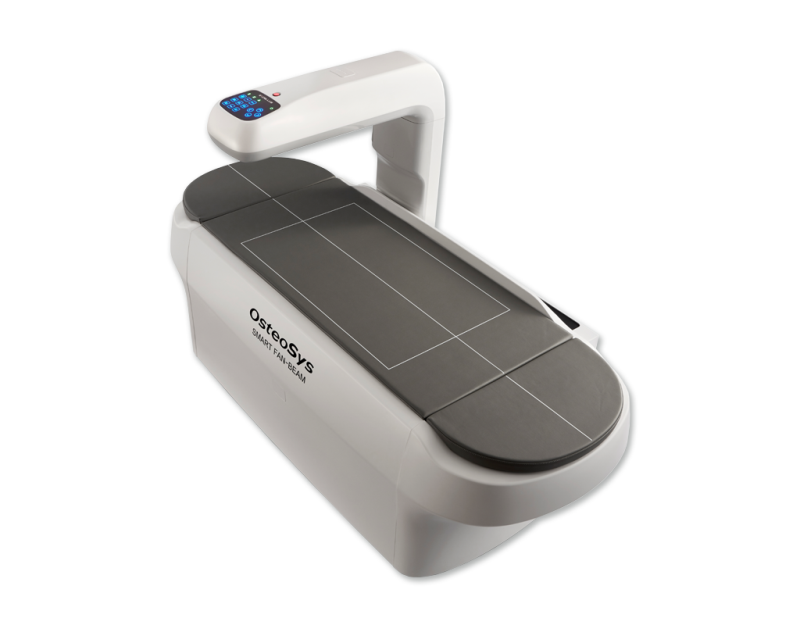
A densitometer is a modern diagnostic device used to measure bone density in order to assess bone mineralisation and fracture risk and diagnose osteoporosis. Due to the precision of the measurements and their importance for diagnosis, it is crucial to keep the densitometer in perfect condition. Regular maintenance is essential for reliable operation and the safety of patients and medical staff. Why are technical inspections of densitometers so important? Accuracy of measurement results: Densitometers use X-rays to measure bone density, and their accuracy can decline over time due to wear and tear on device components or calibration errors. Regular maintenance and calibration ensure that the device delivers reliable results, which is crucial for the diagnosis of osteoporosis and other diseases. Safety for patients and staff: Densitometers emit low-intensity X-rays, but like any device that uses radiation, they require regular safety checks. Technical inspections help monitor radiation levels to ensure they do not exceed permissible standards. Regulatory compliance: In many countries, technical inspections of densitometers are required by law and are set by national and international health institutions. Failure to comply with these standards can result in fines and the revocation of diagnostic testing licences. Key elements of the technical inspection of densitometers Calibration of the device: One of the most important elements of the inspection is the calibration of the densitometer. During this process, the device is set and adjusted to ensure that the measurements are accurate. Special calibration standards with a known mineral density are used for this purpose so that the measurement results can be compared and adjusted. Radiological system inspection: Each densitometer is equipped with a system that emits X-rays. The technical inspection includes checking the condition, proper operation and measurement of the radiation level. This allows us to determine whether there are any radiation leaks and whether the device is operating within safe standards. Checking the software and user interface: Densitometers are complex devices with sophisticated data analysis software. Technical inspections check that the operating system and analysis software are functioning properly and that all updates are installed. Evaluating the mechanical components: Moving parts of the densitometer, such as the patient table and the radiation arm, must be checked regularly for wear and tear. Mechanical defects can compromise patient safety and measurement accuracy. When should maintenance be performed? Technical inspection of the densitometer should be performed at regular intervals in accordance with the manufacturer's recommendations and local legislation. In practice, this usually means an annual inspection, although more frequent maintenance may be required depending on the intensity of use. Annual inspection: The most common standard technical inspection, which includes calibration, radiation control and checking the functioning of the mechanisms. Inspection after a malfunction: If a malfunction of the densitometer is detected, technical service should be performed immediately to minimise the risk of damage to the device or incorrect diagnoses. Consequences of neglecting technical customer service Failure to maintain the densitometer regularly can have serious consequences: Incorrect diagnoses: A densitometer that is not functioning properly can produce incorrect results, leading to incorrect diagnoses and inappropriate treatment of patients. Health risks: If the densitometer emits excessive radiation, this can pose a health risk to patients and staff. Repair costs: If the device is not serviced regularly, more serious damage may occur, requiring costly repairs or even replacement of the device. Summary Regular maintenance of the densitometer is an essential part of maintaining diagnostic quality and ensuring the safety of patients and staff. Calibrations, radiation checks and inspection of the device's mechanisms can ensure its longevity and reliability. Neglecting these measures can have serious health and financial consequences, which is why adhering to a technical maintenance schedule is so important.


