loader

Blog

10November 2020

For which devices must a technical passport be issued?

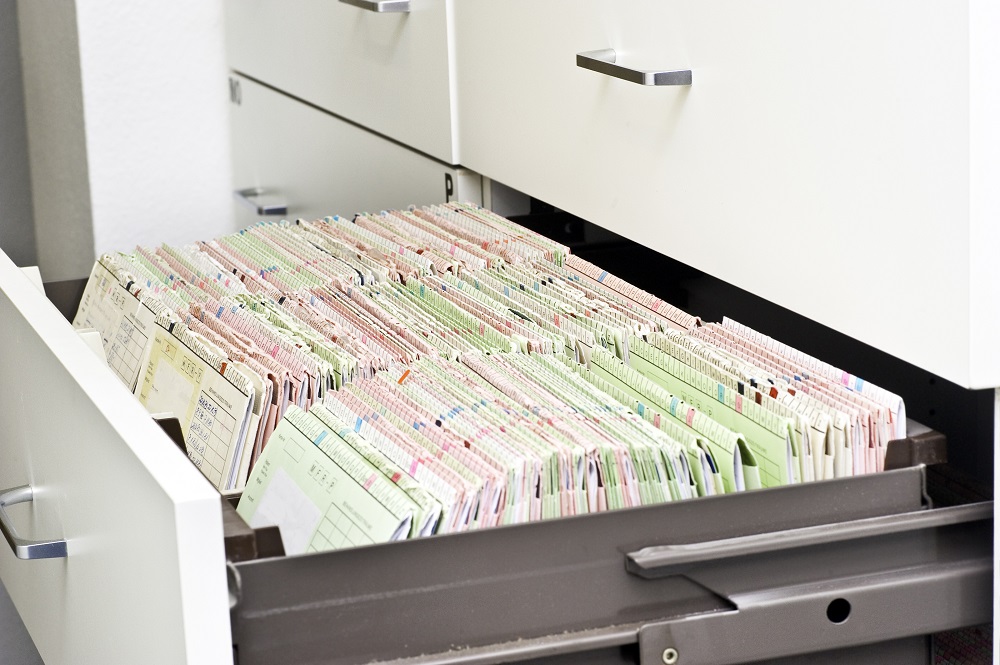
The technical passport is a document in which current entries are made about the installation, maintenance, calibration, repair and other activities carried out on a specific medical device. Every medical device used for medical diagnosis and treatment should have such a passport. What else is worth knowing about this document? Technical passport: Which devices are affected? A technical passport must be available for every medical device, whether under warranty or after the warranty period has expired. Healthcare facilities are legally required to keep technical passports for at least 5 years after the device in question is no longer in use. Which medical devices specifically must have their own passport? These include, among others, treatment, surgical and germicidal lamps, medical scales, foetal heart rate monitors, inhalers, audiometers, spirometers, ECG, ultrasound and EEG devices, dental units, ultrasonic cleaners, inhalers, ophthalmic and dental instruments, X-ray machines, autoclaves, endomotors, etc. The technical passport for the device in question should be kept at the place of use, and all documentation should be archived at the relevant healthcare facility (for at least the above-mentioned 5 years after the device is no longer in use). Data in the technical passport Entries in the technical passports of medical devices may only be made by an authorised medical device service centre. For each maintenance, repair, software update, inspection, etc., the service provider enters the date and name of their company. However, that is not all. The entry must contain a detailed description of the activities performed as well as important comments from the service technician regarding the device in question. The technical passport can be checked by the competent authority and can also serve as evidence in a case of medical malpractice. When purchasing a new medical device, the technical passport is usually supplied with the device. For older devices that are already in use, the passport must be kept by the healthcare facility that owns it.
14October 2020

What is a technical passport for medical devices?

Healthcare facilities are required to maintain complete documentation on medical devices. The documentation must contain information on the installation of these devices, their repairs, maintenance, servicing, inspections, calibrations, safety checks, etc. This obligation is imposed by the Act of 20 May 2010 on medical devices, the Act of 29 November 2000 on nuclear law and a number of regulations. Technical device passport The technical documentation for a specific medical device is referred to as a technical passport. Companies that carry out technical inspections of medical devices are required to make up-to-date entries. The passport contains, among other things, the basic data and operating parameters of the device, as well as instructions for operation. For each inspection, maintenance, repair, calibration, etc., the company performing the work must enter the date of performance, its name, a description of the work performed and comments on the devices in question (always until the end of their service life) in the passport. The technical passport of the medical device must be kept for at least 5 years from the date on which the device is no longer used. Among other things, ultrasound devices, ECG devices, X-ray devices, inhalation devices, devices for measuring foetal heart rate, endoscopes, ophthalmic, dental and many other devices must have such a passport. It is recommended that the technical passport be kept at the place of use of the device in question and that all documentation be archived at the relevant healthcare facility. Checking the technical passport Possession of a medical passport is mandatory for every medical device in a given healthcare facility, regardless of whether it is within the warranty period or not. The technical passports of medical devices may be checked by the health supervisory authority, among others. The reliable maintenance of medical passports is in the interest of all medical facilities. This is because the passports can be used as evidence in proceedings against certain facilities.

28September 2020

Evaluation of medicinal products and preparations, taking into account the regulations

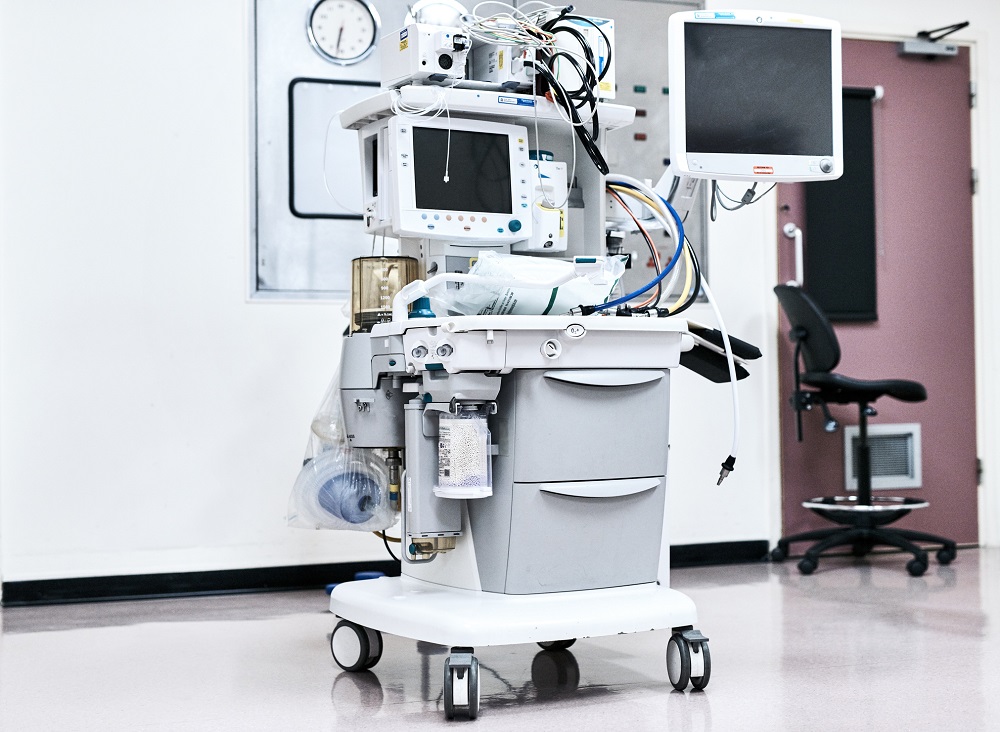
As you can easily imagine, medical devices need to undergo health checks from time to time and require regular maintenance. Who is responsible for the condition of medical devices in a particular facility? Who is authorised to carry out inspections? These and other questions will be answered in today's article. Maintenance and servicing The head of the respective healthcare facility is responsible for the proper maintenance of medical devices. The Medical Devices Act of 20 May 2010 makes it clear that equipment in a healthcare facility must be maintained and used as intended, and that employees are not allowed to use equipment that has not undergone a recent service inspection. Medical devices require maintenance, and the healthcare facility must determine, based on the manufacturer's recommendations, how often and to what extent this must be carried out and which bodies are authorised to do so. The Regulation of the Minister of Economy, Labour and Social Policy on the technical requirements for the technical supervision of the operation of certain pressure equipment of 9 July 2003, in turn, states that ad hoc inspections of pressure equipment (e.g. autoclaves, sterilisers) may be carried out by the competent technical inspection unit as part of monitoring compliance with the provisions on technical inspection. Interestingly, the Atomic Energy Act of 29 November 2000 requires certain facilities (e.g. those offering radiotherapy, X-ray diagnostics, etc.) to take preventive measures against medical radiological accidents. These facilities must also have the physical parameters of the radiological equipment checked. What is worth knowing? The healthcare facility must keep records of every maintenance, adjustment, calibration, verification, inspection, etc. of the medical equipment. The records must include the name of the facility performing the maintenance or repair, the date the service was performed, a detailed description of the service, and notes on the equipment in question. The documentation must be in writing, but the legislator has not specified a universal template.

25September 2020

Why are medical device evaluations so important?

Medical devices used in healthcare facilities must be inspected regularly by law. Malfunctioning devices used for the diagnosis, treatment or rehabilitation of a patient can pose a major risk to their health or even their life. However, this is not the only reason why regular maintenance of medical devices should be carried out. There are other arguments in favour of this. What are the advantages of regular maintenance? Documentation of regular inspections of the medical devices in question serves as evidence if a patient suffers harm at a facility. A facility that uses devices on a daily basis without checking them regularly is acting unlawfully. If a situation arises in which a patient's life or health is endangered, the facility must take full responsibility for its problems. Regular inspections of medical equipment prevent such situations from occurring. Frequent inspections allow equipment to be serviced before a serious failure occurs. Inspections are also important from the point of view of equipment wear and tear. It is easier for the manager of a healthcare facility to extend the life of equipment if he or she knows in real time what maintenance is required for a particular piece of medical equipment. In addition, maintenance can often remedy minor, insignificant equipment malfunctions that annoy medical staff and significantly improve the working comfort of doctors and nurses. Medical equipment that is not used in private facilities due to malfunctions does not generate any income. Regular maintenance can therefore prevent downtime and thus financial losses for the healthcare facility in question. Regular inspections Inspections of medical devices should be carried out in accordance with the manufacturer's recommendations. Every healthcare facility is required to complete and retain inspection reports. The person responsible for carrying out the inspection should write a detailed maintenance report. This should also include information about the company that carried out the inspection and the date.

23September 2020

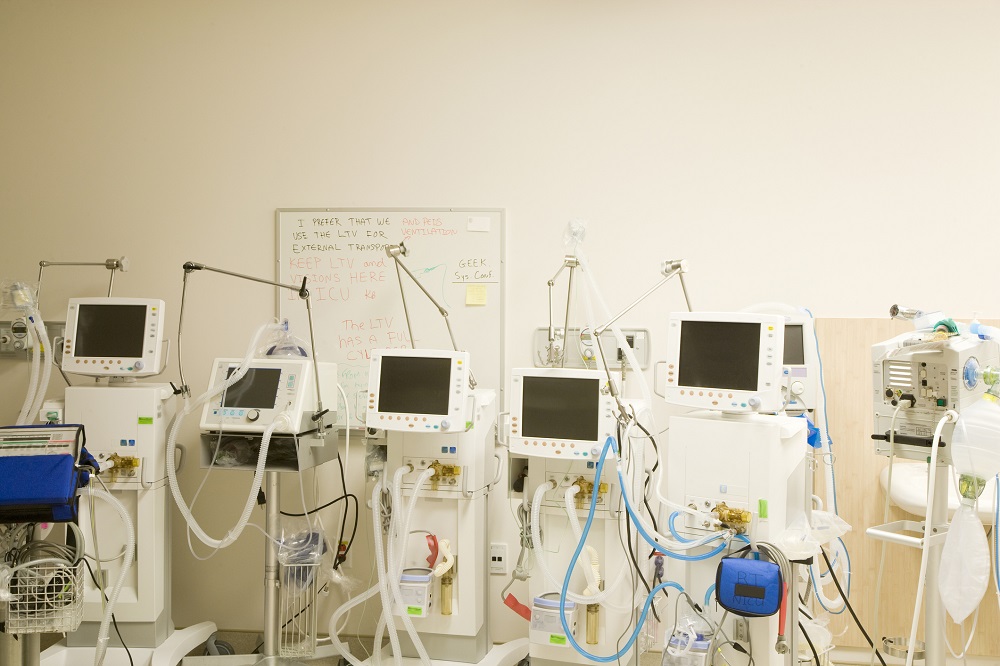
What is the technical inspection of ventilators?

Every year, many patients are eligible for treatment with a home ventilator. Like many other medical devices, these devices require regular maintenance. With a ventilator, preventing breakdowns is crucial – the time it takes to repair or replace a faulty device can mean the difference between a patient's health and even their life. How is a ventilator used at home maintained? Regular maintenance Every ventilator should be serviced regularly in accordance with the manufacturer's recommendations. These devices have their own technical documentation, which contains the most important information for each inspection. The ventilators that patients use at home are usually supplied by the ventilation centre that is responsible for their care. In most cases, it is the centre that notes the date of the next inspection of a particular ventilator and orders this service. The technical inspections of the ventilators are then carried out directly at the patient's home, or a replacement device is sent to the patient and the device that is due for inspection is returned to the ventilation centre. What exactly do the service technicians check? During the inspection, all devices sent to the patient are thoroughly checked, including the suction device, pulse oximeter, oxygen concentrators, etc. "Minor" inspections are carried out every few thousand hours of operation, while "major" inspections are carried out approximately every ten thousand hours. "Minor" overhauls are quite simple and take relatively little time. During "major" overhauls, more components in the machine are replaced, making them much more complicated and time-consuming. Service technicians always make sure that the device is working properly and delivering as much volume as it should, and that the ratio of inhalation to exhalation matches the device's display. They also check for any damage to the display and housing. If necessary, they arrange for the used ventilator to be replaced with a new one.

21September 2020

Which colposcope is suitable for a gynaecological practice?

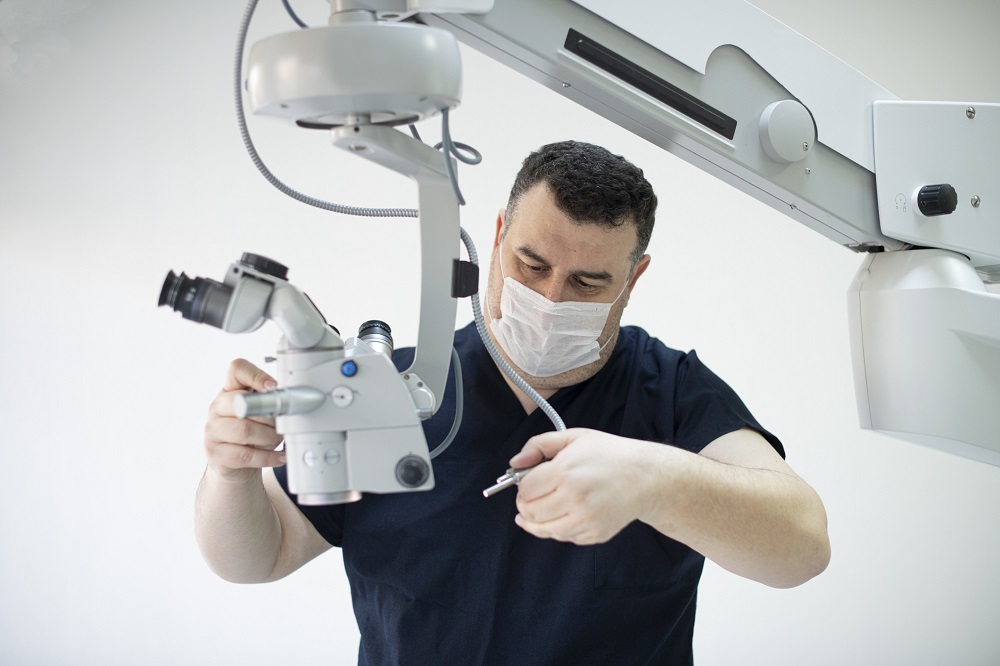
Colposcopy is a simple and painless gynaecological examination that enables the detection of precancerous stages of cervical cancer. It is performed with the aid of a colposcope. This device allows the doctor to examine the surface of the cervix, the lower part of the cervical canal, as well as the vagina and vulva in detail. What should doctors look for when choosing a new colposcope for their practice? Optical system The optical system is the most important component of the colposcope. The more advanced it is, the better the image the gynaecologist receives of the treatment area. The precision of the colposcope optics determines, among other things, the sharpness of the image and the optical resolution of the treatment area. The number of magnifications offered by the device is also very important. The cheapest devices with only one type of magnification have a lower diagnostic capability than devices with, for example, three types of magnification.  Some colposcopes can even be upgraded to five levels of magnification. Digital colposcopes, which feature a high-quality digital camera at their core, are becoming increasingly common in gynaecologists' practices. In addition to the camera, the device is equipped with powerful lighting and a magnification function to ensure a clear image of the areas being examined. Illumination in the colposcope When choosing a colposcope, you should pay attention to the type of light it emits. For a reliable diagnosis, a cold light of about 12 V/100 W is required, which ensures accurate and stable colour reproduction. Of course, the doctor should be able to adjust it continuously. For a clearer image, the colposcope should be equipped with a green filter. Tripod or hand grip? Before purchasing a colposcope, the gynaecologist should also consider whether she would prefer to work with the device on a mobile tripod or on a chair. Both the tripod and the hand grip should be solid and stable, but still easy to move. Modern video colposcopes The most modern solution is, of course, the video colposcope, which records the examination, focuses automatically and magnifies the image continuously up to 20 times. The video colposcope has a function for "freezing" the image being viewed so that it can be conveniently analysed on a 19" monitor. Modern video colposcopes also allow images to be archived, which can be useful for later diagnosis and treatment. The video colposcope can also be equipped with a stand with a laptop tray or connected directly to a PC to make the examination as comfortable as possible for the doctor.