

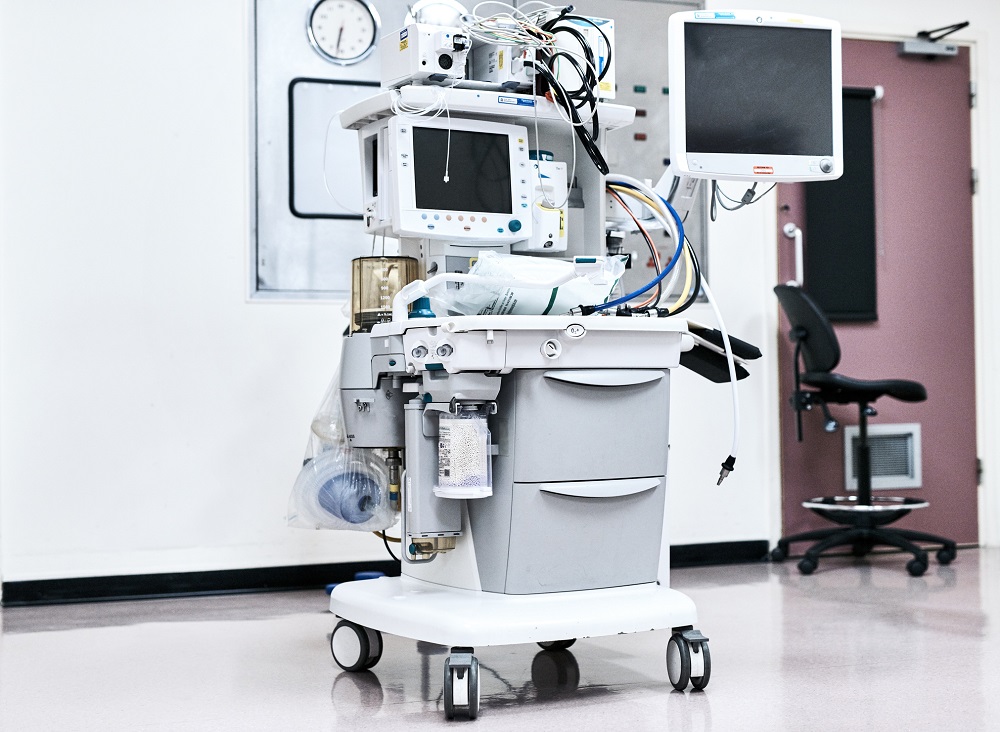
Every year, many patients are eligible for treatment with a home ventilator. Like many other medical devices, these devices require regular maintenance. With a ventilator, preventing breakdowns is crucial – the time it takes to repair or replace a faulty device can mean the difference between a patient's health and even their life. How is a ventilator used at home maintained? Regular maintenance Every ventilator should be serviced regularly in accordance with the manufacturer's recommendations. These devices have their own technical documentation, which contains the most important information for each inspection. The ventilators that patients use at home are usually supplied by the ventilation centre that is responsible for their care. In most cases, it is the centre that notes the date of the next inspection of a particular ventilator and orders this service. The technical inspections of the ventilators are then carried out directly at the patient's home, or a replacement device is sent to the patient and the device that is due for inspection is returned to the ventilation centre. What exactly do the service technicians check? During the inspection, all devices sent to the patient are thoroughly checked, including the suction device, pulse oximeter, oxygen concentrators, etc. "Minor" inspections are carried out every few thousand hours of operation, while "major" inspections are carried out approximately every ten thousand hours. "Minor" overhauls are quite simple and take relatively little time. During "major" overhauls, more components in the machine are replaced, making them much more complicated and time-consuming. Service technicians always make sure that the device is working properly and delivering as much volume as it should, and that the ratio of inhalation to exhalation matches the device's display. They also check for any damage to the display and housing. If necessary, they arrange for the used ventilator to be replaced with a new one.


