loader

Category: NEWS

  • Home
  • Category: NEWS
31August 2023

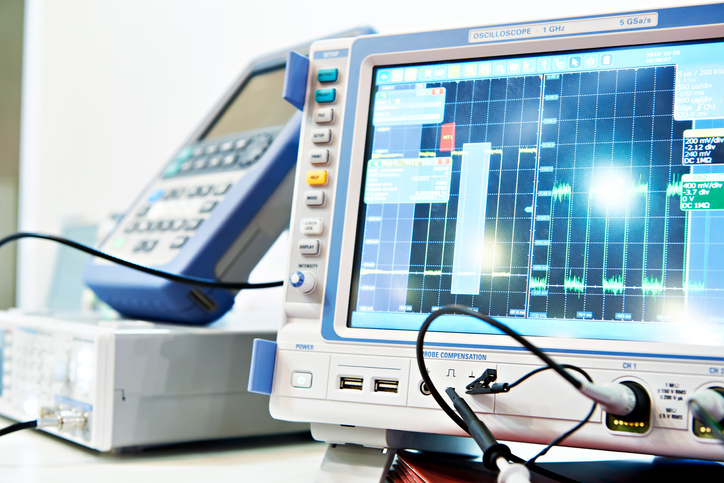
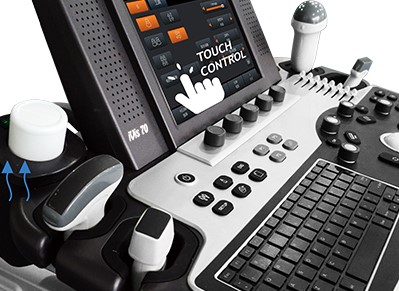
Technical inspection of ultrasound equipment – Ultrasound equipment service

A modern approach to medical diagnosis: ultrasound equipment servicing Nowadays, medicine is constantly evolving and introducing increasingly advanced technologies that enable more accurate diagnosis and better patient care. One of the most important diagnostic tools is ultrasound examination, also known as ultrasonography. To ensure accurate examinations and the smooth functioning of medical equipment, it is important to have professional ultrasound equipment servicing. Why is ultrasound equipment servicing important? Ultrasound equipment plays an important role in medicine as it allows the internal structures of a patient's body to be visualised without the need for invasive procedures. This allows doctors to accurately assess the condition of organs and tissues and monitor the development of diseases or pregnancy. Over time, ultrasound equipment has become increasingly sophisticated, offering high image quality and specialised examination methods. However, even the most advanced technology requires maintenance, repair and regular servicing to perform at its best. This is where the key role of ultrasound equipment service centres comes into play. Their main objective is to keep the equipment in optimal technical condition, ensure that examinations are performed correctly and extend the service life of the equipment. Services offered for ultrasound equipment Professional ultrasound equipment services offer a wide range of services, including: Regular technical inspections: Regular inspections enable early detection of failure symptoms and maintenance of the equipment to minimise the risk of equipment failure. Repairs and maintenance: In the event of a failure, service technicians have the skills and knowledge to accurately diagnose the problem and perform effective repairs. Software updates: Today's ultrasound equipment often runs on sophisticated software that needs to be updated regularly to ensure compatibility and add new features. Calibration: Accurate calibration of the equipment is critical for accurate examination results. Service technicians ensure that the equipment is properly calibrated. Technical advice: Service centres not only repair damage, but also serve as a source of technical support for medical staff by providing advice on the use of the equipment. Advantages of using a professional ultrasound service Quality of examinations: Regular maintenance of ultrasound equipment affects the quality of the examinations performed, as errors due to technical defects are avoided. Minimised risk of failure: Regular maintenance and servicing minimises the risk of sudden failures and prolonged downtime of the device. Optimal use of the device: Maintenance keeps the device fully functional and allows it to be used for a wide range of examinations. Patient safety: A properly functioning ultrasound device is crucial for patient safety, as it enables accurate diagnosis and avoids errors due to device malfunctions. Summary: The maintenance of ultrasound devices plays a key role in ensuring accurate, efficient and safe ultrasound examinations. Through regular maintenance, servicing, repair and technical advice, they ensure that ultrasound equipment operates in optimal condition. In a medical field where diagnostic accuracy is of paramount importance, a professional approach to ultrasound equipment maintenance is invaluable to patients and medical staff alike.
7May 2021

Defective medical devices – what then?

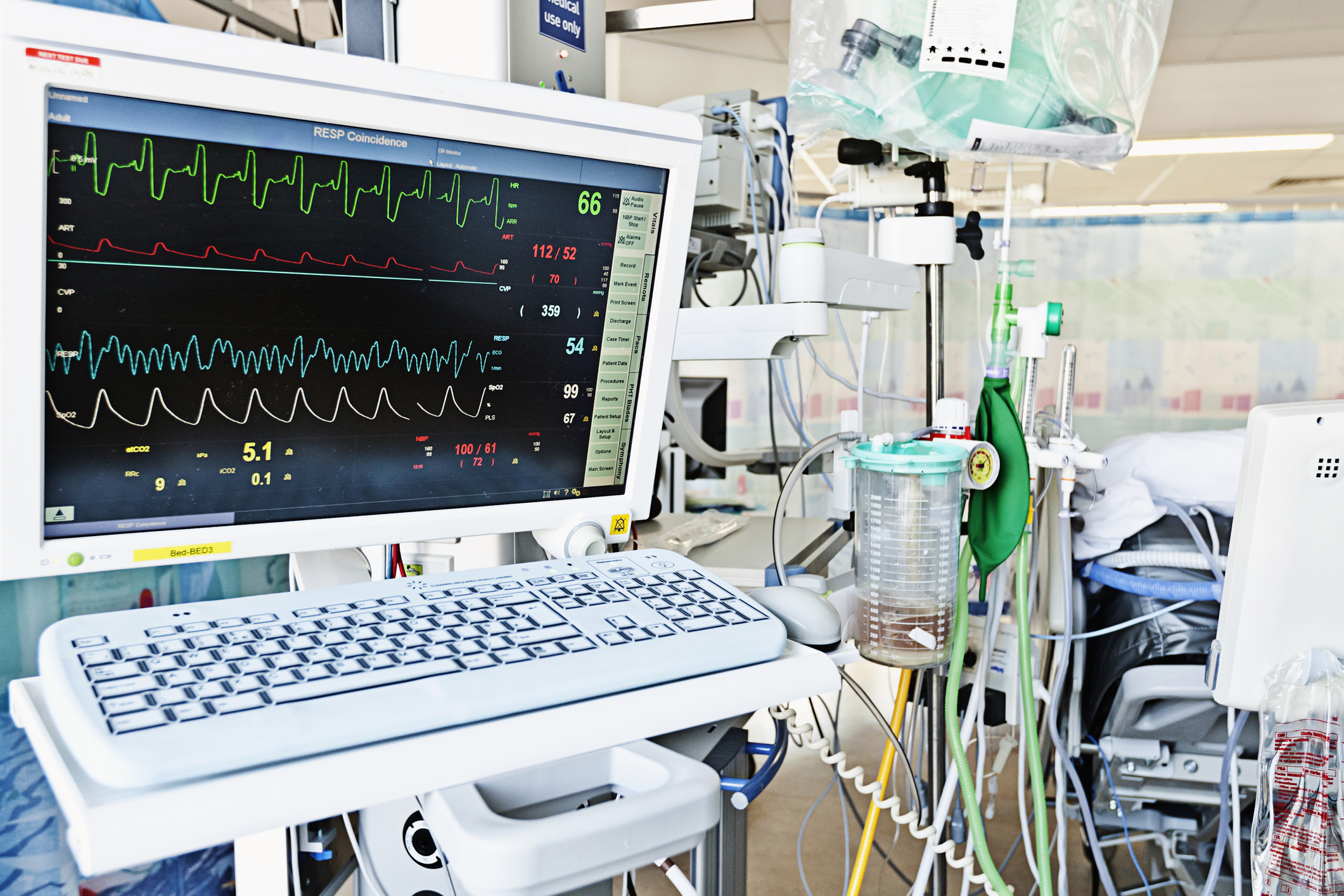
Hospitals, clinics and other medical facilities cannot function without the right medical equipment. It is extremely important to ensure that the equipment is suitable for performing examinations or treatments safely. This requires that the equipment be purchased from a reliable supplier, properly installed and regularly maintained. However, it can happen that the equipment is defective despite being used properly. What should you do in such a situation? Warranty for medical devices Not only the manufacturer, but also the seller is responsible for the functionality of medical devices. If the purchased medical device proves to be defective, it is important to remember that the seller is liable for the goods under the statutory warranty. The warranty is one of the possible avenues of complaint for the consumer. It can be invoked in two cases. The first case is that the goods do not comply with the contract, e.g. a physical defect. The second case is a legal defect in the purchased goods. The owner of the medical facility has several options. They can ask the seller to replace the goods with new ones or reduce the price. The third option is to have the medical devices serviced free of charge so that they are fully functional again. It is worth noting that the basis for claiming the warranty is proof of purchase of the device, i.e. an invoice with VAT, a receipt or a contract. It is also important to note that the content of the claim depends solely on the will of the purchaser. Defective medical devices and warranty Owners of medical facilities who have purchased defective devices are also entitled to a warranty. However, unlike a warranty, this must be claimed from the manufacturer of the medical device. The warranty is provided by the manufacturer of the purchased product and specifies the obligations of the guarantor and the rights of the consumer. Owners of medical facilities often choose to make their claims based precisely on the warranty. This solution has many advantages, as medical device manufacturers have specialised equipment necessary to carry out repairs. In addition, in such cases, the processing time for complaints is usually shorter than in the case of a warranty, as the procedure does not involve any intermediaries. Owners of medical facilities should be aware of their rights in relation to the purchase of equipment. This knowledge is extremely useful if defects are found in the purchased medical device.

2March 2021

How often should medical devices be serviced?

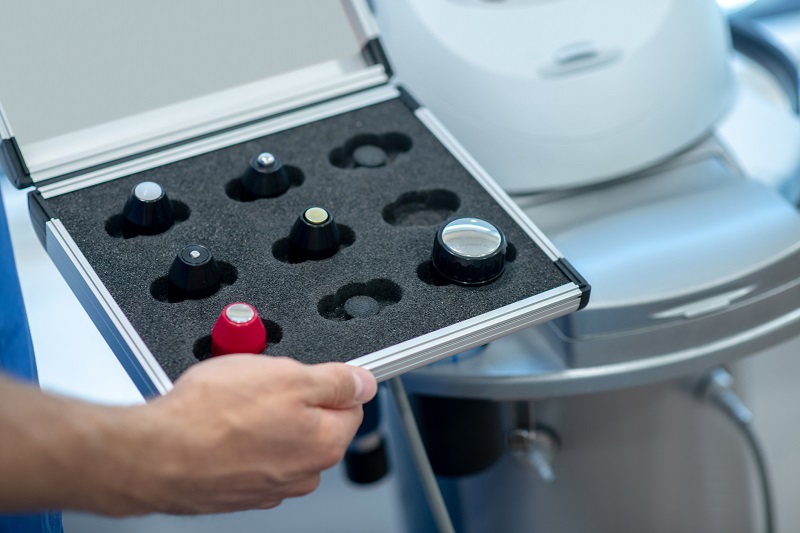
All medical devices should be used in accordance with applicable regulations. This applies in particular to medical devices used in medical facilities. Manufacturers, importers and distributors are required to provide operating instructions, a list of suppliers of parts and materials, and a list of authorised maintenance providers with the devices. Medical facilities, in turn, must use the devices for their intended purpose, keep records of the medical devices, and carry out inspections and regular maintenance. In this blog post, we will focus primarily on the frequency of medical device maintenance, as this topic often raises the most questions. Frequency of medical device maintenance Medical device maintenance is one of the fundamental activities for controlling the efficiency of a particular device. How often medical devices should be maintained depends primarily on the manufacturer's recommendations. For this reason, it is important that each device comes with a manual that contains detailed information on this topic. If professional installation, regular maintenance, servicing, software updates, calibration and calibration adjustments, reports or safety checks are required for the safe and proper operation of the device, a list of service technicians authorised to perform the above activities must also be included. However, if the listed activities do not require special knowledge and skills, a list of service technicians is not required. However, the device should always be used in accordance with the accompanying instructions for use. To be sure how often medical devices need to be serviced, it is therefore advisable to read the accompanying documentation carefully. It is the responsibility of the healthcare provider to ensure that the equipment is serviced correctly. Who should service medical equipment? The servicing of medical equipment should be carried out by organisations that specialise in this field. For this reason, we recommend that you use the services of our company, which provides professional specialists with the appropriate qualifications and experience in performing this type of service. We operate throughout almost the entire territory of Poland and also serve the Czech Republic, Slovakia and Germany. We specialise in warranty and post-warranty service. We have the necessary approvals confirmed by the most important manufacturers of medical equipment. We carry out technical inspections, assembly and disassembly, as well as modernisation of equipment, assessments and the issuance of technical certificates. We also repair medical equipment. When working with our company, you can also count on advice on the purchase of necessary medical equipment or assistance in preparing valuation reports. We also offer training in the use of medical devices. We invite you to take advantage of our services.

12February 2021

What should you look out for when purchasing medical devices?

Medical devices can include cardiac devices, rehabilitation devices, patient monitoring devices, defibrillators and medical accessories. Without suitable and specialised equipment, staff at hospitals, clinics and outpatient clinics cannot work efficiently and ensure patient safety. What characteristics should you look for when purchasing medical devices? Quality, efficiency and safety Specialised medical devices speed up work, often shorten the time required for certain examinations or treatments, and ensure the best possible patient comfort. However, when deciding on a particular medical device, it is important to also consider the cost of its maintenance. When planning your order, also take into account the financial burden of maintaining such devices and their regular operation. A good medical device dealer should offer products from trusted and experienced manufacturers. It is equally important that the medical devices on offer bear the CE mark. What does this mark mean? In short, it is a declaration of conformity with EU regulations – such devices have passed the testing procedure and can be used in medical facilities, among other places. Another important step before purchasing medical equipment is to ensure that the package includes a full warranty (or, less commonly, an extended warranty) and easy and quick access to spare parts. You should also make sure that the selected medical equipment dealer offers technical support, including instructions for operating the purchased equipment. Another solution that is becoming increasingly popular every year is the custom manufacture of medical devices. This naturally involves higher costs, but at the same time, in many cases, it is the only way to obtain devices that are not currently offered by any of the companies we know. We should only purchase medical devices from companies or retailers that enjoy the trust of their customers and have a certain reputation. In addition to the devices and accessories themselves, many establishments also offer regular maintenance of the devices we purchase or authorised service. However, let us not forget that the most important stage of the purchasing process is to ensure that the product we choose has the appropriate certificate attesting to its quality.

5January 2021

What principles underlie germicidal lamps?

Germicidal lamps are used to disinfect the air in hospitals, clinics and laboratories. They work by emitting ultraviolet radiation, which successfully removes bacteria, viruses, fungi and microorganisms that are harmful to the human body from various surfaces. They are the most effective devices available on the market for removing these organisms. They must be used under special safety precautions as they can have harmful effects on human skin and eyes. How germicidal lamps work Germicidal lamps work with rays that are directed at a surface or the air. UV-C rays, which produce wavelengths between 100 nm and 280 nm, are sufficient to achieve a strong germicidal effect. Sterile working conditions are essential in treatment rooms, operating theatres or laboratories, so their use is indispensable there. Due to their very high effectiveness, it is important not to remain in the area of the light beam when they are applied to a surface and to exercise appropriate caution. They can be particularly harmful to the eyes and skin. Flow and dual-flow lamps Due to the wide range of applications for germicidal lamps, several types can be distinguished. Flow lamps have a mechanism based on special filters whose task is to purify contaminated air. Thanks to their design, they are safe for medical staff or other people in the area where the lamp is in operation. This is because the contaminated air is retained in the disinfection chamber and only treated with UV-C radiation there. Bifunctional germicidal lamps, on the other hand, are more widespread. They are equipped with an external emitter. This enables intensive air disinfection. Importantly, they are capable of disinfecting the entire room (in the absence of staff or patients, of course). Their additional advantage is the effective disinfection of hard-to-reach corners and angles.

9December 2020

How to choose the right surgical lights?

All medical devices, equipment and accessories must comply with strict national and international standards. This is no different for special surgical and treatment lights. They are an indispensable part of every operating theatre or treatment room. Their role is extremely important, which is why they should have certain features in order to fully fulfil their function. First and foremost, their light must illuminate the surgical field strongly and accurately and minimise shadows. Surgical lights should also make it easier to see details. Let's take a look at what else you should consider when choosing the right light. Why is choosing the right surgical light important? The choice of medical lighting has a direct impact on the work of the surgeon. Specialised surgical and treatment lights must therefore meet a number of requirements. Their quality determines the adequate visibility of a patient's body parts. Without adequate lighting, it would be very difficult to perform operations and procedures. In terms of design and application, a distinction is made between wall, ceiling and mobile lights. Modern surgical lights must offer good light quality, be ergonomic, easy to use and efficient so that the medical team can perform their work at the highest level and in a pleasant environment. They must also be easy to clean and disinfect and offer the possibility of adjusting the light intensity and the size of the surgical field. What parameters should I consider when choosing an operating theatre light? The most important parameters for an operating theatre light are light intensity, colour rendering index, colour temperature, heat radiation and shadow-free illumination. The last factor is particularly important, as the lamp must provide maximum light in the surgical field. The shadow-free value of the lamp is determined by a percentage and should be as high as possible. The light intensity value of the lamp should also be high. It is specified in lux and measured at a distance of one metre. A good surgical light should produce a value between 40,000 lx and 160,000 lx at its focal point. When selecting a suitable lamp for the operating theatre or surgery, attention must also be paid to the colour rendering index in the unit Ra in the range from 0 to 100. In order for the lamp to function properly, it should have an Ra index of at least 90. The colour temperature of the lamp has a significant influence on this value, which should be in the range of 4000 to 5000 K. It is also worth mentioning the heat radiation emitted by the lamp, which affects the heat dissipation to the operating table and should therefore be as low as possible. Precise requirements for the parameters of operating and treatment lamps can be found in the Regulation of the Minister of Health of 22 June 2005 on the requirements for the technical and hygienic aspects of premises and equipment in a healthcare facility.