

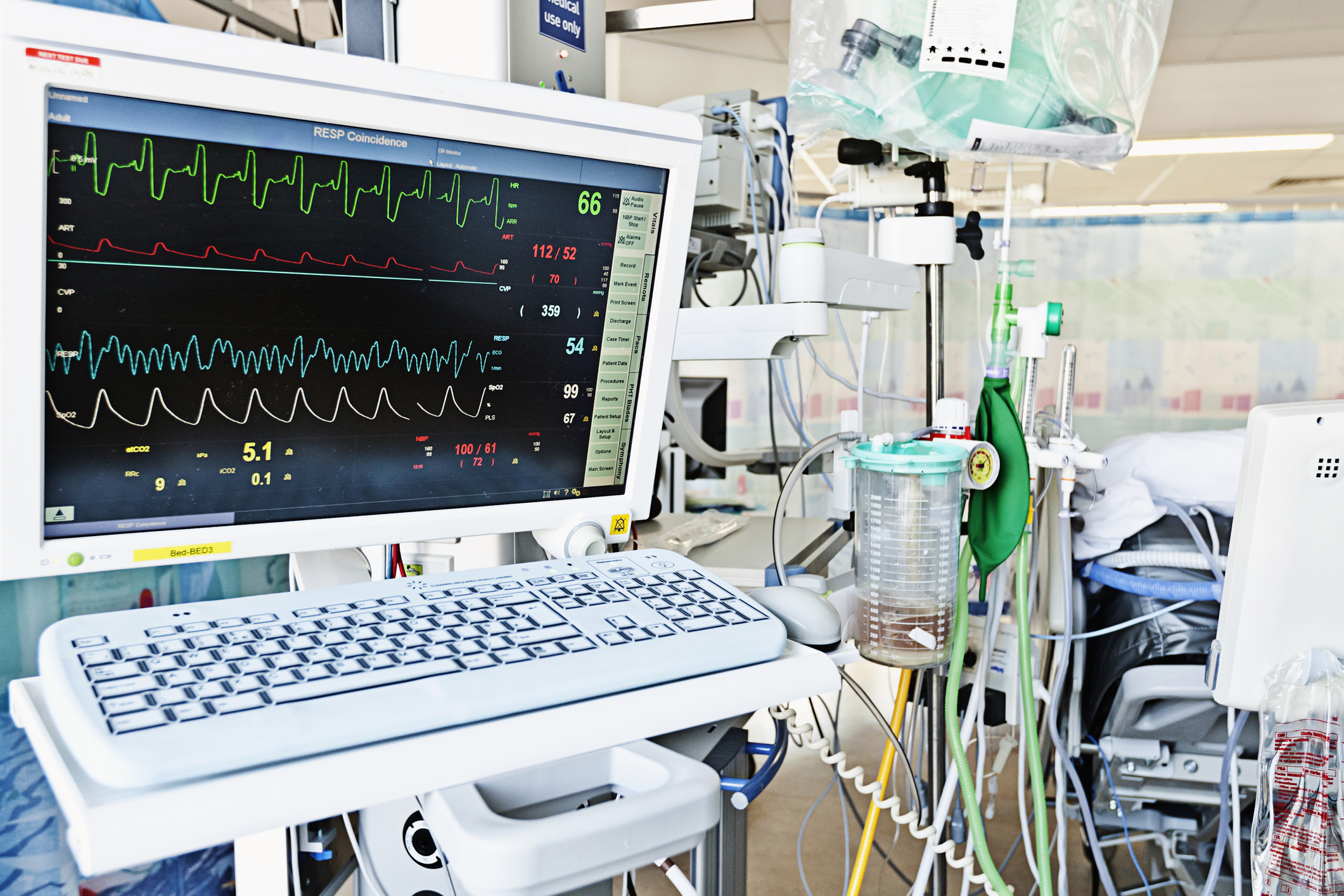
Hospitals, clinics and other medical facilities cannot function without the right medical equipment. It is extremely important to ensure that the equipment is suitable for performing examinations or treatments safely. This requires that the equipment be purchased from a reliable supplier, properly installed and regularly maintained. However, it can happen that the equipment is defective despite being used properly. What should you do in such a situation? Warranty for medical devices Not only the manufacturer, but also the seller is responsible for the functionality of medical devices. If the purchased medical device proves to be defective, it is important to remember that the seller is liable for the goods under the statutory warranty. The warranty is one of the possible avenues of complaint for the consumer. It can be invoked in two cases. The first case is that the goods do not comply with the contract, e.g. a physical defect. The second case is a legal defect in the purchased goods. The owner of the medical facility has several options. They can ask the seller to replace the goods with new ones or reduce the price. The third option is to have the medical devices serviced free of charge so that they are fully functional again. It is worth noting that the basis for claiming the warranty is proof of purchase of the device, i.e. an invoice with VAT, a receipt or a contract. It is also important to note that the content of the claim depends solely on the will of the purchaser. Defective medical devices and warranty Owners of medical facilities who have purchased defective devices are also entitled to a warranty. However, unlike a warranty, this must be claimed from the manufacturer of the medical device. The warranty is provided by the manufacturer of the purchased product and specifies the obligations of the guarantor and the rights of the consumer. Owners of medical facilities often choose to make their claims based precisely on the warranty. This solution has many advantages, as medical device manufacturers have specialised equipment necessary to carry out repairs. In addition, in such cases, the processing time for complaints is usually shorter than in the case of a warranty, as the procedure does not involve any intermediaries. Owners of medical facilities should be aware of their rights in relation to the purchase of equipment. This knowledge is extremely useful if defects are found in the purchased medical device.


