

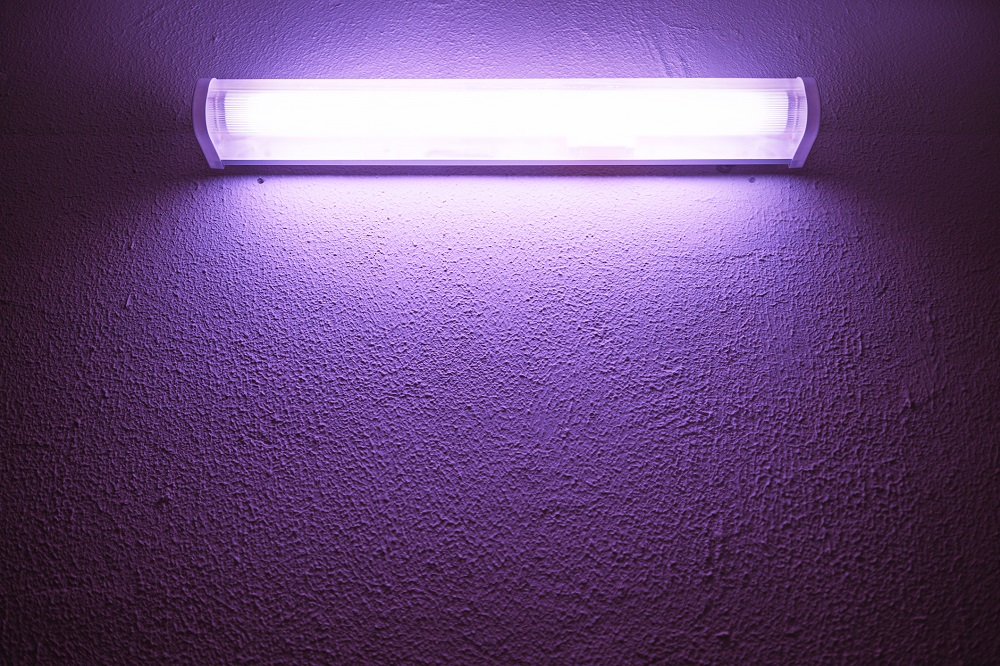
Germicidal lamps are used to disinfect the air in hospitals, clinics and laboratories. They work by emitting ultraviolet radiation, which successfully removes bacteria, viruses, fungi and microorganisms that are harmful to the human body from various surfaces. They are the most effective devices available on the market for removing these organisms. They must be used under special safety precautions as they can have harmful effects on human skin and eyes. How germicidal lamps work Germicidal lamps work with rays that are directed at a surface or the air. UV-C rays, which produce wavelengths between 100 nm and 280 nm, are sufficient to achieve a strong germicidal effect. Sterile working conditions are essential in treatment rooms, operating theatres or laboratories, so their use is indispensable there. Due to their very high effectiveness, it is important not to remain in the area of the light beam when they are applied to a surface and to exercise appropriate caution. They can be particularly harmful to the eyes and skin. Flow and dual-flow lamps Due to the wide range of applications for germicidal lamps, several types can be distinguished. Flow lamps have a mechanism based on special filters whose task is to purify contaminated air. Thanks to their design, they are safe for medical staff or other people in the area where the lamp is in operation. This is because the contaminated air is retained in the disinfection chamber and only treated with UV-C radiation there. Bifunctional germicidal lamps, on the other hand, are more widespread. They are equipped with an external emitter. This enables intensive air disinfection. Importantly, they are capable of disinfecting the entire room (in the absence of staff or patients, of course). Their additional advantage is the effective disinfection of hard-to-reach corners and angles.


