loader

Blog

1October 2023

Comprehensive repair and maintenance of ECG devices: principles and protocols

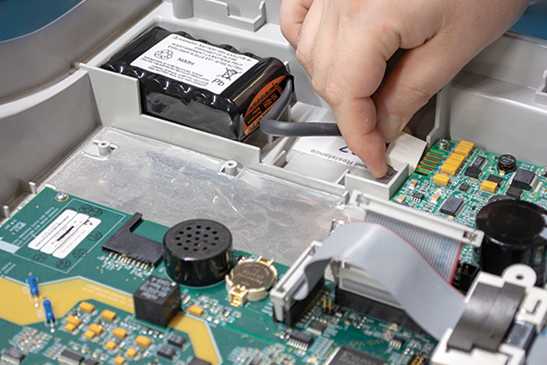
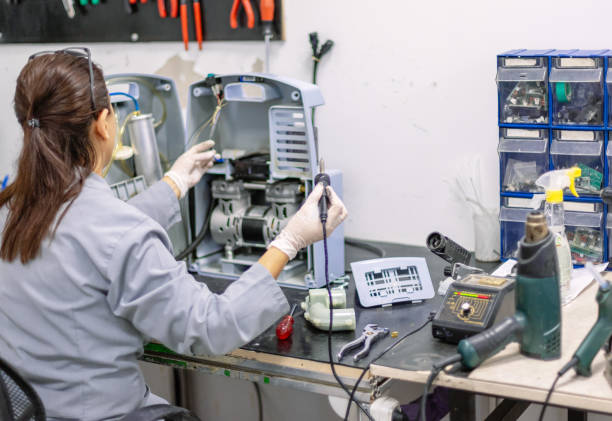
Introduction: The electrocardiograph, or ECG machine, is an important medical instrument used to monitor the electrical activity of a patient's heart. Regular maintenance and repairs are crucial for the correct and safe functioning of the device and ensure a correct diagnosis. Why maintenance and repairs are so important: The correct operation of ECG devices is essential for the detection of various heart problems such as cardiac arrhythmias, myocardial hypertrophy or heart attacks. The reliability and accuracy of the devices is therefore crucial for correct diagnosis and treatment. 1 Regular maintenance: Regular maintenance of ECG devices helps to identify potential problems and prevent breakdowns. Inspection protocols include: Checking all cables and electrodes for damage and wear. Calibration to ensure the accuracy of measurements. Checking the batteries and power supply. Updating the software to the latest version. 2 Repair: If a malfunction is detected during inspection, repair is necessary. The repair process should include: Diagnosis of the problem by a qualified technician. Repair or replacement of defective parts. Thorough testing of the device after repair to ensure that everything is working properly. 3 Staff training: Medical staff must be properly trained to operate the ECG device correctly and to recognise and respond appropriately to warning signs that indicate problems with the device. 4 Purchase of original spare parts: The use of original spare parts is essential for maintaining the safety and efficiency of the ECG device. Non-original parts may not meet safety standards and may cause the device to malfunction. 5 Documentation: Keeping accurate records is key to tracking the service and repair history of each ECG device. Documentation should include maintenance, repair, and part replacement data, as well as any comments made by technicians. Summary: Repair and maintenance of ECG devices is essential for their reliability and safe use. Regular maintenance, the use of original parts, adequate staff training and accurate record keeping are key elements in keeping ECG devices in excellent condition and enabling accurate diagnosis and treatment of heart disease.
29September 2023

No technical inspection

Failure to regularly inspect medical devices can result in a number of serious legal, financial and health consequences. Here are some possible consequences: 1. Legal issues: a. Fines and penalties: Individuals or institutions that fail to meet inspection requirements may be subject to fines and penalties. b. Civil liability: In the event of medical accidents, failure to comply with standards may result in civil liability and claims for damages. c. Revocation of licence to practise: Failure to comply with standards may result in the revocation of a licence to practise. 2. Financial consequences: a. Compensation costs: Inadequate maintenance can lead to damage to equipment, which can result in high repair or replacement costs. b. Loss of reputation: Neglecting maintenance can damage the reputation of a healthcare facility, which in turn can lead to financial losses due to the loss of patients and customers. 3. Health consequences: a. Misdiagnosis: Faulty equipment can lead to misdiagnosis, which can endanger patients' lives. b. Medical accidents: Defective or faulty equipment can lead to medical accidents such as infections, burns or other serious injuries. c. Ineffective treatment: If devices do not function properly, they may be less effective in treatment, which can lead to long-term health problems for patients. 4) Impact on safety: a. Risks to staff: Malfunctioning medical devices can pose a danger to medical staff. b. Incorrect readings and results: Defective or faulty devices can provide incorrect readings, which can lead to medical errors. 5 Ethical consequences: a. Loss of trust: Failure to conduct regular inspections can lead to a loss of patient trust in the medical facility and medical staff. b. Violation of ethical standards: Healthcare professionals are obligated to provide the best possible care to patients, and neglecting these duties can lead to a violation of ethical standards. Therefore, regular inspection and maintenance of medical equipment is critical to patient safety and maintaining high standards of healthcare.

15September 2023

Technical inspection of the defibrillator

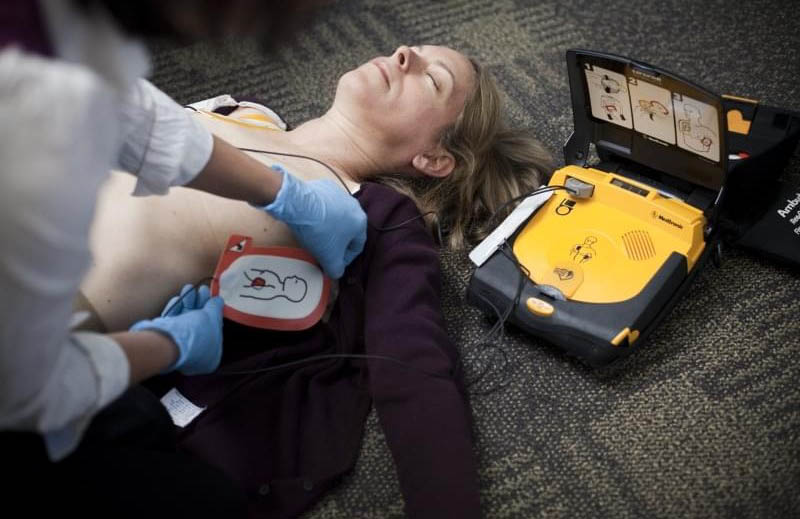
Technical inspection of a defibrillator is crucial to ensure that the device is fully functional and ready for use in life-threatening situations. The frequency and scope of inspections may vary depending on the defibrillator model, manufacturer recommendations and local regulations, but in general, technical inspection involves several basic steps:
  1. Visual inspection: Check the defibrillator for visible damage such as cracks, wear or missing parts.
  2. Check the electrodes and accessories: Electrodes have a limited lifespan and can dry out or become damaged. They should be checked regularly for visible damage and their expiry date should be checked. Accessories such as scissors, gloves or masks should also be checked and replaced if necessary.
  3. Function test: Switch on the device and check that the self-test, which most modern defibrillators perform automatically when switched on, is working properly. This may include tests of the circuit, battery, display, speaker, etc.
  4. Battery check: The batteries in defibrillators have a limited service life. Check their charge status regularly and replace them as necessary in accordance with the manufacturer's recommendations.
  5. Software updates: If the manufacturer has provided software updates to improve device functionality, these should be installed.
  6. Documentation: All activities related to the technical inspection should be carefully documented, including the date of the inspection, the activities performed, any parts replaced, and the person who performed the inspection.
  7. Training: Ensure that those responsible for using the defibrillator are regularly trained in its use and in cardiopulmonary resuscitation (CPR) techniques.
Note that regular technical inspection of the defibrillator is not only required by law in many countries, but is also an important aspect of the safety of patients and the people who use the device. Checking that the defibrillator is functioning properly is crucial for the effectiveness of measures in life-threatening situations. There are several special devices available for this purpose:
  1. Patient simulator: This is a device that simulates various heart rhythms. It can be used to check whether the defibrillator correctly detects arrhythmias and makes the right decisions regarding defibrillation.
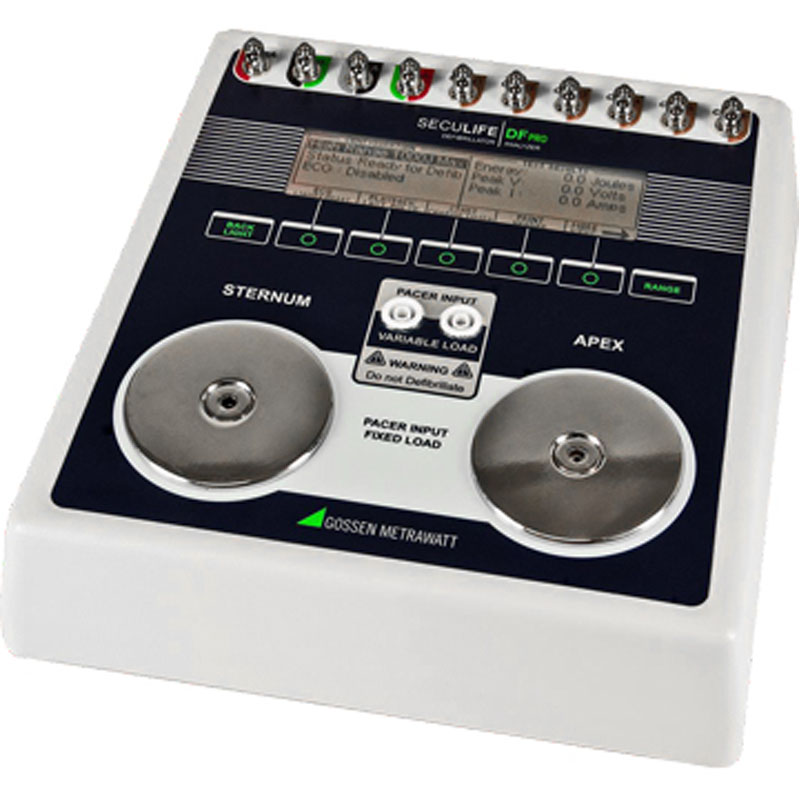
  2. Defibrillator analyser: This special device is used to accurately check various functions of the defibrillator. It can measure and analyse the power and quality of the discharges, including the waveform, energy, pulse duration and many other parameters.
  3. Test electrodes: These are special electrodes used to connect the defibrillator to the analyser. They enable the safe transmission of pulses to the test device without the need to use real electrodes.
  4. Battery testers: Since the power supply is a crucial aspect of defibrillator operation, special battery testers allow the charge status and general condition of the batteries to be assessed.
  5. Accessory testing device: Some comprehensive defibrillator testing systems can also check the function of accessories such as cables, electrodes and other items.
  6. External storage oscilloscope: Although defibrillator analysers usually have built-in displays, some technicians use external oscilloscopes to analyse the waveform of the discharges more accurately.
When performing inspections and tests on defibrillators, manufacturer guidelines must be followed and safety standards must be adhered to. Regular testing and maintenance ensure that the device will function properly when it is needed in a critical moment.
14September 2023

Technical inspection of freezers and refrigerators

A technical inspection of freezers and refrigerators is essential to ensure their proper functioning, energy efficiency and safety for users. Here are some aspects that are usually taken into account during an inspection:
  1. General condition of the appliance: Check the casing, doors, seals and other external parts for damage or wear.
  2. Cleaning: Dirt or ice build-up can affect performance and energy consumption. It is important to clean the appliance regularly and check that it does not accumulate excessive amounts of ice.
  3. Thermostat and temperature: Check that the thermostat is working properly and that the temperature inside the appliance is suitable for the products stored.
  4. Refrigerant: Check for leaks and ensure that the refrigerant level is adequate.
  5. Ventilation: Check that the ventilation openings are not blocked and that the fans are working properly.
  6. Electrical system: The check includes inspecting the cables, plugs and fuses for possible damage or wear.
  7. Energy efficiency: Check energy consumption and compare it with the manufacturer's specifications and industry standards.
Thorough technical inspections of refrigerators and freezers should be carried out by specialists in the field of refrigeration technology. Regular inspections help to extend the service life of the appliances, ensure their optimal operation and can lead to savings in energy costs.
14September 2023

Technical inspection of operating tables: ensuring safe and effective procedures

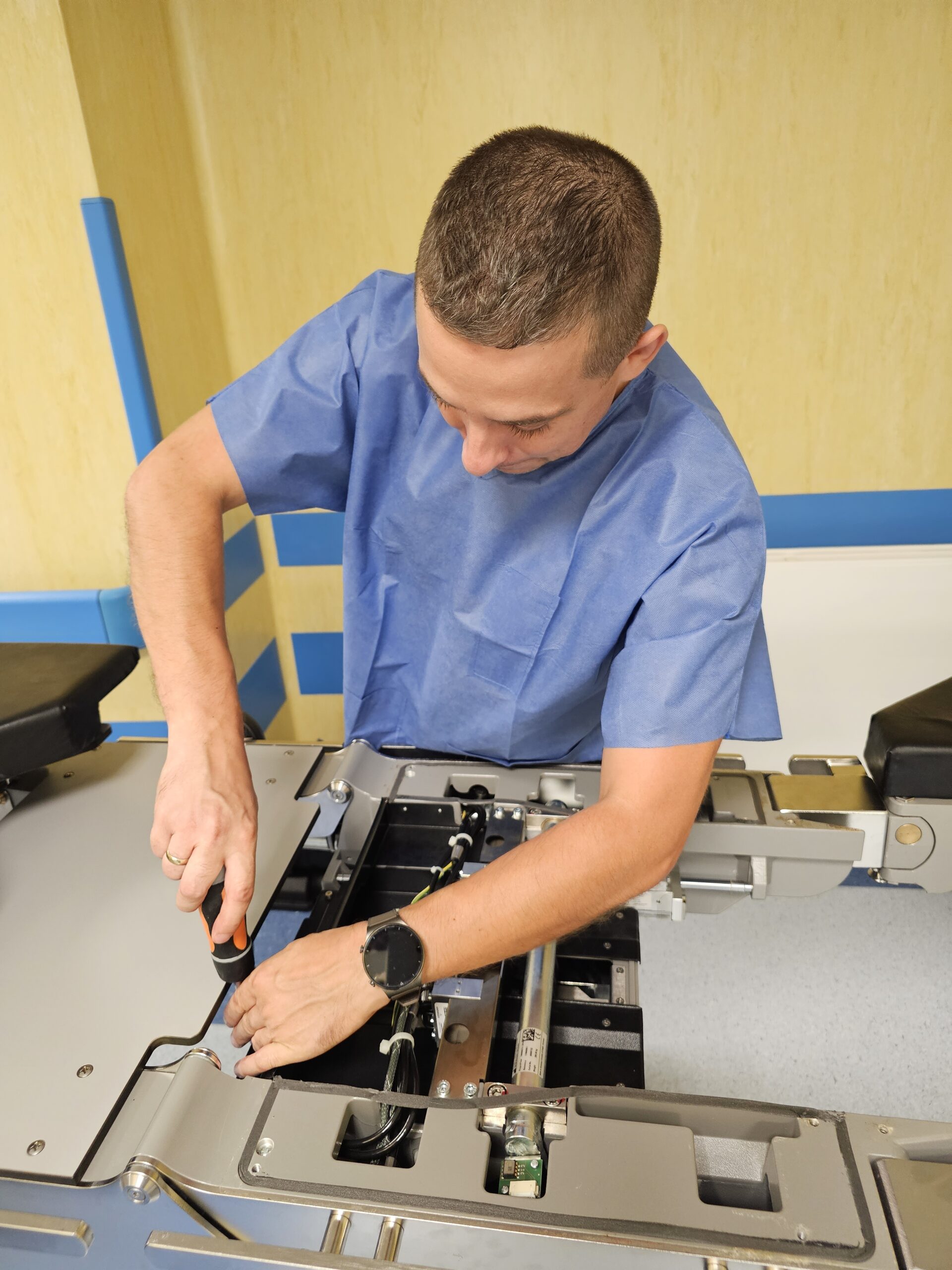
Technical inspections of operating tables: concern for the safety and effectiveness of procedures Operating tables are an essential part of the equipment in every operating theatre. They serve to stabilise the patient during the procedure and allow the surgeon adequate access to the surgical area. The proper functioning of the table is essential for patient safety and the effectiveness of the procedure. In this article, we will discuss the importance of technical inspections of operating tables and their most important aspects. 1. Why are technical inspections important? The use of equipment of the highest medical standard is key to ensuring optimal patient care. Technical inspections guarantee that operating tables are in perfect technical condition and do not have any defects that could interfere with the operation. Defects can not only lead to complications during the procedure, but also to long-term health problems for the patient. 2. Key aspects of technical inspections:
  • Stability and mechanics: Checking that the table's adjustment and locking mechanisms are working properly. The stability of the table at different angles of inclination is also assessed.
  • Electronics and control: For electronic tables, it is important that the control systems function smoothly and without malfunction.
  • Hygiene and cleanliness: Although this is not a purely technical aspect, proper cleaning and disinfection of the table is crucial for patient safety.
  • Compliance with standards: Operating tables must meet certain standards and norms that ensure their safe use.
3. Frequency of technical inspections: It is recommended that regular technical inspections be carried out at least once a year. However, depending on the intensity of use of the table and the specific characteristics of the facility, more frequent inspections may be necessary. 4. Importance in medicine: Technical inspections not only ensure the smooth operation of the equipment, but also strengthen patients' trust in medical facilities. Patients need to know that they are being operated on under conditions that ensure the highest safety standards. Summary: Technical inspections of operating tables are not just a procedure, but also proof of concern for the patient's well-being. In modern medicine, where technology plays a key role, the proper functioning of equipment is the basis for effective and safe treatment. Regular technical inspections guarantee that every surgical procedure can be performed under optimal conditions.
1September 2023

Technical inspection of surgical diathermy

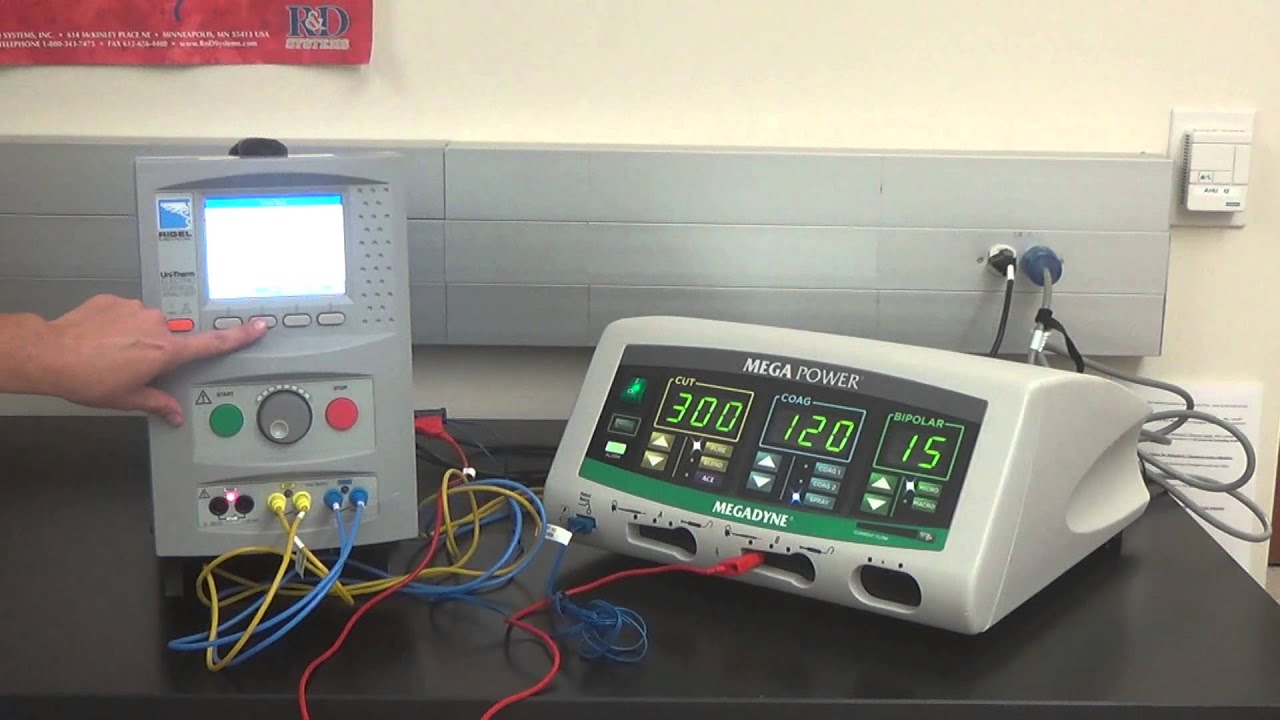
Surgical diathermy is a medical instrument that uses high-frequency current to generate heat in order to cut or coagulate tissue during surgery. Thanks to its properties, diathermy has become an indispensable part of modern operating theatres. However, like any advanced medical device, it requires regular technical maintenance. This article explains why such maintenance is so important. 1. Patient safety The main reason for performing technical checks on diathermy is to ensure patient safety. Failure of the device during a procedure can lead to serious complications such as burns, uncontrolled bleeding or tissue damage. Regular maintenance ensures that the device functions properly and does not pose a risk to the patient's health. 2 Effectiveness of the procedure For a surgical procedure to be effective, the diathermy must work with sufficient precision. If the current is not set correctly, this can lead to incomplete cutting of the tissue or insufficient coagulation. Regular maintenance ensures that the device's parameters are set correctly. 3 Extending the life of the device Like any device, diathermy can wear out over time. Regular maintenance helps to identify potential problems before they become serious, extending the life of the device and protecting the medical facility's investment. 4 Cost savings Although technical inspections incur costs, they can lead to savings in the long term. Identifying and fixing minor problems before they escalate can prevent costly breakdowns and repairs in the future. 5 Compliance with legal and industry standards In many countries, technical inspections of medical devices are required by law. Compliance with applicable norms and standards not only protects the medical facility from potential sanctions, but also ensures that patients receive the best possible care. Conclusion Technical inspections of surgical diathermy are not just a formality, but a key element in ensuring the highest standard of medical care. Maintaining equipment means caring for the safety and well-being of patients as well as the effectiveness and efficiency of procedures. Given the increasing demands and expectations in the medical field, regular technical inspections are an integral part of surgical practice.