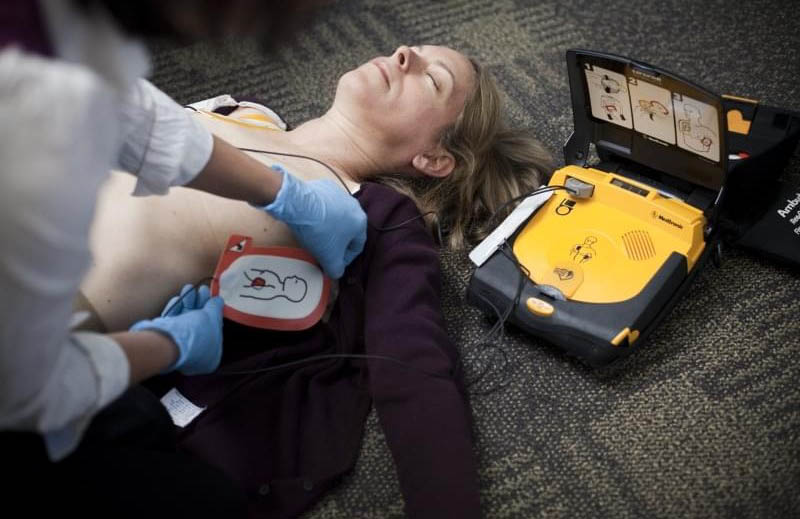
Technical inspection of a defibrillator is crucial to ensure that the device is fully functional and ready for use in life-threatening situations. The frequency and scope of inspections may vary depending on the defibrillator model, manufacturer recommendations and local regulations, but in general, technical inspection involves several basic steps:
Visual inspection: Check the defibrillator for visible damage such as cracks, wear or missing parts.
Check the electrodes and accessories: Electrodes have a limited lifespan and can dry out or become damaged. They should be checked regularly for visible damage and their expiry date should be checked. Accessories such as scissors, gloves or masks should also be checked and replaced if necessary.
Function test: Switch on the device and check that the self-test, which most modern defibrillators perform automatically when switched on, is working properly. This may include tests of the circuit, battery, display, speaker, etc.
Battery check: The batteries in defibrillators have a limited service life. Check their charge status regularly and replace them as necessary in accordance with the manufacturer's recommendations.
Software updates: If the manufacturer has provided software updates to improve device functionality, these should be installed.
Documentation: All activities related to the technical inspection should be carefully documented, including the date of the inspection, the activities performed, any parts replaced, and the person who performed the inspection.
Training: Ensure that those responsible for using the defibrillator are regularly trained in its use and in cardiopulmonary resuscitation (CPR) techniques.
Note that regular technical inspection of the defibrillator is not only required by law in many countries, but is also an important aspect of the safety of patients and the people who use the device. Checking that the defibrillator is functioning properly is crucial for the effectiveness of measures in life-threatening situations. There are several special devices available for this purpose:
Patient simulator: This is a device that simulates various heart rhythms. It can be used to check whether the defibrillator correctly detects arrhythmias and makes the right decisions regarding defibrillation.
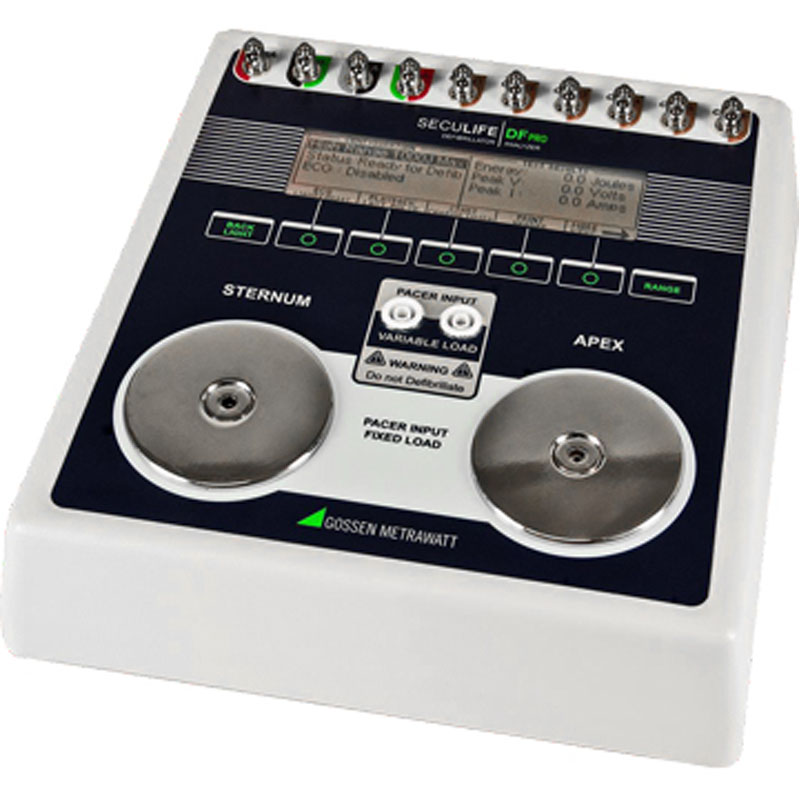
Defibrillator analyser: This special device is used to accurately check various functions of the defibrillator. It can measure and analyse the power and quality of the discharges, including the waveform, energy, pulse duration and many other parameters.
Test electrodes: These are special electrodes used to connect the defibrillator to the analyser. They enable the safe transmission of pulses to the test device without the need to use real electrodes.
Battery testers: Since the power supply is a crucial aspect of defibrillator operation, special battery testers allow the charge status and general condition of the batteries to be assessed.
Accessory testing device: Some comprehensive defibrillator testing systems can also check the function of accessories such as cables, electrodes and other items.
External storage oscilloscope: Although defibrillator analysers usually have built-in displays, some technicians use external oscilloscopes to analyse the waveform of the discharges more accurately.
When performing inspections and tests on defibrillators, manufacturer guidelines must be followed and safety standards must be adhered to. Regular testing and maintenance ensure that the device will function properly when it is needed in a critical moment.